A few years ago, at an art fair in Moscow, his eye caught on a piece: “Master Plan of Rome in the Age of Augustus.”

A few years ago, at an art fair in Moscow, his eye caught on a piece: “Master Plan of Rome in the Age of Augustus.” Precise lines, austere minimalism, architectural rigor, handwritten Italian notes. He bought it instantly — it was aesthetic, a reminder of Italy, and a statement piece for his office overlooking Moscow City. “Intellectual. My style,” he thought.
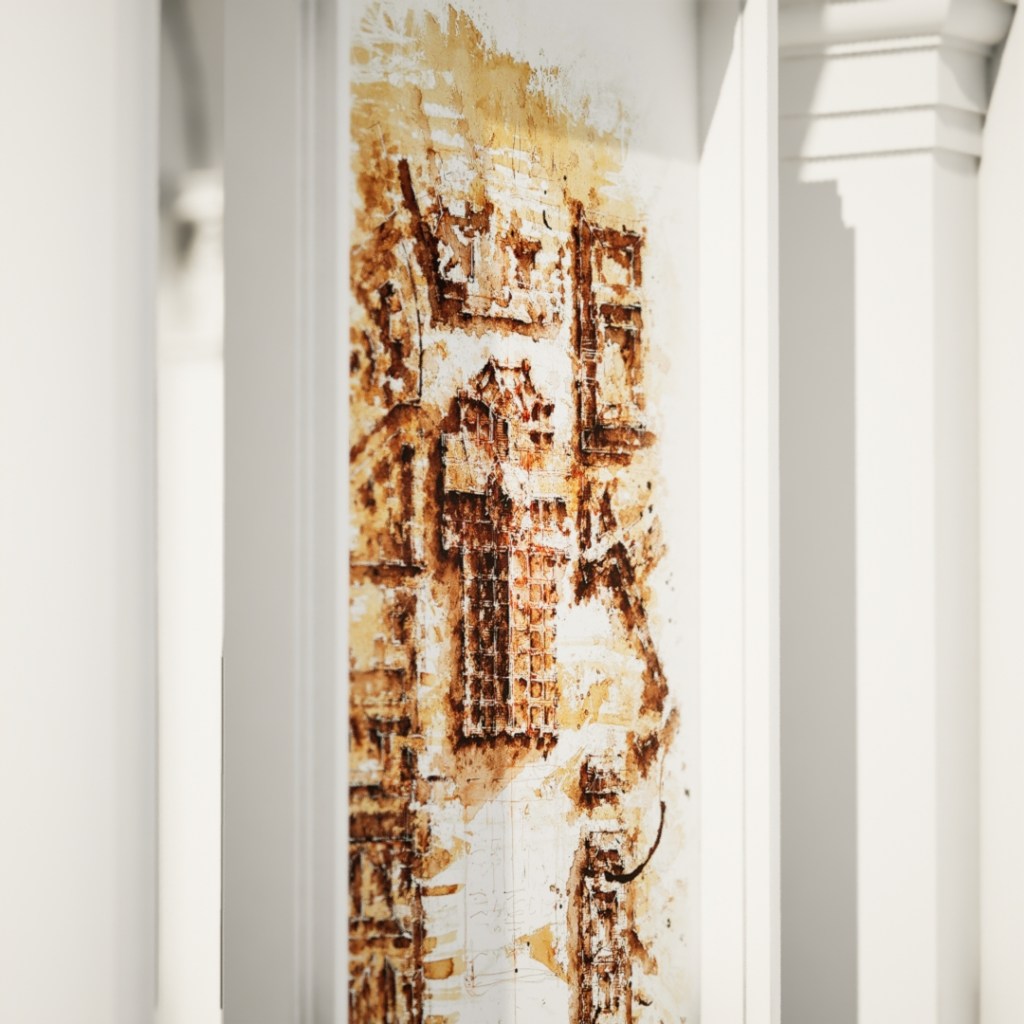
At first, it was just background. Then it became the center of gravity. His gaze kept returning to the traces of the Appian Way, the outline of the Forum, the threads of aqueducts. During tense negotiations over a 15-year development project, his eyes drifted toward it — and he suddenly paused: “How long did the Romans plan this aqueduct to last? A hundred years? Five hundred? A thousand? More? What did they KNOW about eternity that I’m still refusing to face?” His own project began to feel short-lived in contrast to this centuries-long strategy of intellect, stone, and will.

The painting became a mirror — not of strategy, but of paradox. Urban genius, infrastructure that outlived the empire… yet the Empire itself collapsed. They laid the foundation of Europe but failed to preserve it. The very institutions that shaped civilization couldn’t withstand their own expansion. The master plan embodied the boldness of practical vision across centuries — and the fragility of human systems. “Am I building a skeleton or just a façade? What will remain when my company fades into obscurity?” These questions now hung in the air of his office.

It wasn’t about “thinking a hundred years ahead.” It was a tectonic shift. Now, when evaluating a project, he asked: “Will this still function in 50, 100, 200 years?” And when he could dare to imagine adding “500” or even “1000” to that list — he felt a rare kind of happiness. Could the idea even hold that weight, even in theory? What systems was he embedding that might serve future generations? Would they stand the test of time — of politics, economics, disasters, and people?

He began investing in long-term frameworks, in architectural ensembles, resilient infrastructures, social fabrics — all the deep structures of true planning, built to outlive him. A strange kind of selflessness crept in — something he’d never felt before. The painting didn’t offer answers. It asked uncomfortable questions in the language of eternity, reminding him that true value doesn’t lie in square meters — but in the chance to leave behind stones that speak of your life’s work to generations ahead.

Some paintings decorate walls. Others — like this master plan — redraw the limits of thought, pushing us to build not just buildings, but our own chances at eternity.
Eduard Kichigin

🔥 Buy my big paintings. 🔥 Write to my manager Olga https://www.instagram.com/olgamoskvina.verde/
🔥 My very simple and very effective quick 🔥 drawing lessons http://patreon.com/kichigin
🔥 My NFT art 😃 Amazing drawing in 3D space https://rarible.com/Eduard_Kichigin
🔥 My store: 👕 clothes and accessories with my drawings. https://ink-and-pen-graphics-drawing.creator-spring.com/

How Architectural Paintings Can Define Your Interior Style

Architectural paintings are a unique way to personalize and elevate any interior. By incorporating these art pieces into your space, you can create a sense of style and sophistication that reflects both your aesthetic preferences and intellectual curiosity. In this article, we will explore how architectural paintings serve as the perfect tool for defining your interior style and why they are so highly valued in interior design.

The Power of Architecture in Art 🖼️

What makes architectural paintings stand out in the world of art and design is their ability to combine visual appeal with intellectual depth. These artworks are not just pictures of buildings—they are interpretations of structures that have shaped cities, countries, and cultures. By displaying an architectural painting, you are showcasing:

  • Aesthetic beauty: The clean lines, symmetry, and geometric elements of architectural structures make them visually striking when translated onto a canvas.
  • Intellectual value: Architectural art often invites a deeper exploration of the history and context behind the structures, providing intellectual and emotional engagement for viewers.

Ready to enhance your space with a piece of architectural brilliance? Discover the perfect artwork for your space here: 👉 https://taplink.cc/kichigineduard

Personalizing Your Home with Architectural Art 🎨

One of the most significant advantages of incorporating architectural paintings into your home or office is their ability to reflect your personality and interests. Whether you are drawn to classical architecture or modern structures, architectural paintings allow you to express:

  • Your cultural influences: A painting of a historic landmark or cityscape can symbolize your connection to a particular culture or place.
  • Your appreciation for design: Architectural art shows that you value both aesthetics and functionality, two key aspects of great design.

Looking for a piece that truly reflects your unique style? Find it here: 👉 https://taplink.cc/kichigineduard

Architectural Art: A Window Into History 🏛️

Architectural paintings do more than decorate your space—they also serve as windows into the past. These artworks preserve the legacy of great buildings and architectural achievements that define our cities and cultures. When you display an architectural painting in your home, you are:

  • Celebrating history: By featuring historical structures or landmarks, architectural paintings provide insight into the past and the people who built these iconic structures.
  • Preserving cultural heritage: These works of art help keep the stories of past civilizations alive, allowing you to celebrate their architectural contributions.

Interested in connecting with history through art? Explore our collection here: 👉 https://taplink.cc/kichigineduard

The Inspiring Role of Architecture in Creativity ✨

Architectural paintings don’t just serve as decorative pieces—they also inspire creativity. The way these paintings capture the intricate details of structures and their environments can stimulate new ideas, making them ideal for anyone in a creative field. Architects, designers, and artists alike can:

  • Gain design insights: Architectural paintings provide inspiration for new projects, allowing designers to explore different materials, forms, and spatial arrangements.
  • Stimulate artistic exploration: Artists can draw inspiration from the lines, shapes, and textures in architectural paintings, creating new works based on their interpretation of the subject.

Looking to ignite your creativity with architectural art? Check out our collection here: 👉 https://taplink.cc/kichigineduard

Conclusion

Architectural paintings are an excellent way to bring sophistication, culture, and intellectual depth into your interior space. They are not only beautiful but also tell a story, preserving history, and providing endless inspiration. These artworks are perfect for anyone who wants to enhance their environment with more than just decoration but with meaning, character, and a timeless appeal.

Want to find the perfect architectural painting for your space? Explore here: 👉 https://taplink.cc/kichigineduard

My name is Eduard Kichigin.

Why Invest in Architectural Art? Exploring Timeless Elegance and Value

Architectural art is more than just a visual delight; it represents a perfect blend of artistry, history, and cultural heritage. These masterpieces capture the essence of iconic landmarks, intricate city layouts, and urban stories. Owning an architectural drawing is like possessing a timeless connection to the heart of a city, a reflection of its beauty and significance.

But why do collectors and enthusiasts gravitate toward architectural art?

1. Cultural Connection

Architectural drawings are a gateway to the soul of a place. They bring to life the charm of the Colosseum, the quiet elegance of Florence’s streets, or the romantic allure of Venice. Every piece tells a story, celebrating the history and craftsmanship of architectural wonders. For many, owning such art is a deeply personal way to honor their love for travel, history, or Italian culture.

2. Timeless Aesthetic Appeal

Unlike trends in modern art, architectural pieces are timeless. They effortlessly complement both contemporary and classic interiors, adding a sense of sophistication to any space. A hand-drawn cityscape can become the focal point of a room, sparking conversations and admiration.

3. Investment Value

Fine art, particularly unique architectural drawings, often appreciates in value over time. These pieces are not mass-produced; they are one-of-a-kind expressions of creativity and skill. Collectors see them as tangible investments, blending financial security with aesthetic pleasure.

4. Attention to Detail

Architectural art stands out for its precision and intricacy. Each line, curve, and shadow is meticulously crafted, creating a sense of realism and depth. This attention to detail appeals to discerning individuals who value the effort and expertise behind such works.

5. Personal Meaning

Imagine owning a piece of the city you fell in love with or a place that shaped your memories. Architectural art resonates on a personal level, making it more than just decor—it becomes a treasure of emotional significance.

Whether you are an avid collector, an interior designer seeking unique pieces, or someone with a passion for architecture, these drawings offer an unparalleled blend of artistry and heritage.

Explore the Collection

Dive into a world of hand-crafted cityscapes and architectural wonders. Discover works that capture the essence of Italy’s iconic cities, perfect for adding character and value to your space.

Visit my gallery to explore available pieces:
https://taplink.cc/kichigineduard
Eduard Kichigin